
Omniyat.com
User Experience Design
Research
User Experience
Information Architecture
Interaction Design
Founded in 2005 with a vision to becoming best-in-class, beyond property and place Omniyat is Dubai’s leading luxury real estate company. Recently, they embarked on a digital transformation process to reimagine their digital experience. As a design lead at AKQA, I was tasked with the creative execution of Omniyat’s rebirth.
The project spanned six months, I contributed across all phases of work from research, to video editing, to tech review and everything inbetween.

Insight
The greatest insights were that our audience are not looking to buy the property on the site, that will happen in person with a buyer. The main goal of this site is to inspire. Our customers want something truly unique and tailor-made, they want to know who crafted the furniture and how close the marina is and we intend to meet their expectations, looking to leverage confirmation bias, we show them what they want to see and tell where it is.
Solution
We ran a really tight team across London and Dubai, throughout the project, I led, oversaw and/or conducted our user research, information architecture workshops, human-centric design practices, narrative structures, A/B testing , technical reviews and Quality assurance.
Impact
Dubai’s luxury real estate leader, now has an appropriately best-in-class digital presence. Since the site has gone live, Omniyat has set a new record of the most expensive property ever sold in Dubai's Burj Khalifa district, with the 139Million AED Lana Penthouse sale. Our analytics have also revealed a 61% increase in qualified leads, 7% increase in site engagement with longer visit times and decreased bounce rates.
Arabian Business
Omniyat News
User Research
We began with both primary and secondary research about our customers and their property purchasing behaviours. Understanding their journey better allowed us to develop a rationale for our creative decision-making across the website, and inform our UX sprints.

Information Architecture
The second phase was a big organisational task, with such a vast portfolio of different types of properties in different locations suited to different audiences we first had to create a filing system. This then informed the companies internal naming conventions as well as the site navigation.

Documenting the full catalog of properties also require us to document the different types of units within a development. Which came vital in the narrative mapping and visual design processes later on in the project. In this process sketches, miro boards and wireframes were used to help us curate the portfolio and create moments to highlight key projects.


User Interface
In Figma, we developed a cohesive design system, developing are low fidelity wires into a scalable visual language. We baked our atomic system into the Omniyat style guide built on a 12-column grid. Our design system had to celebrate the buildings and reduce cognitive load so we leaned into the white spaces allowing for the rich imagery and elegant typography to breathe. Prototypes were tested on After effects and refined based on user feedback before Webflow development.


Visual Design
As a result we could then build across the site using our component library I could leverage the molecular nature of the build to allow for adaptable homepage tabs and rapidly create multiple property detail pages.


Scalable Experience
In the final stages of the project, I embarked on some edge case sprints, our customer base will want the experience to meet them wherever they are. Whether they are browsing during a flight or exploring a property in virtual reality, Omniyat should maintain it’s best-in-class standard.


The Outcome
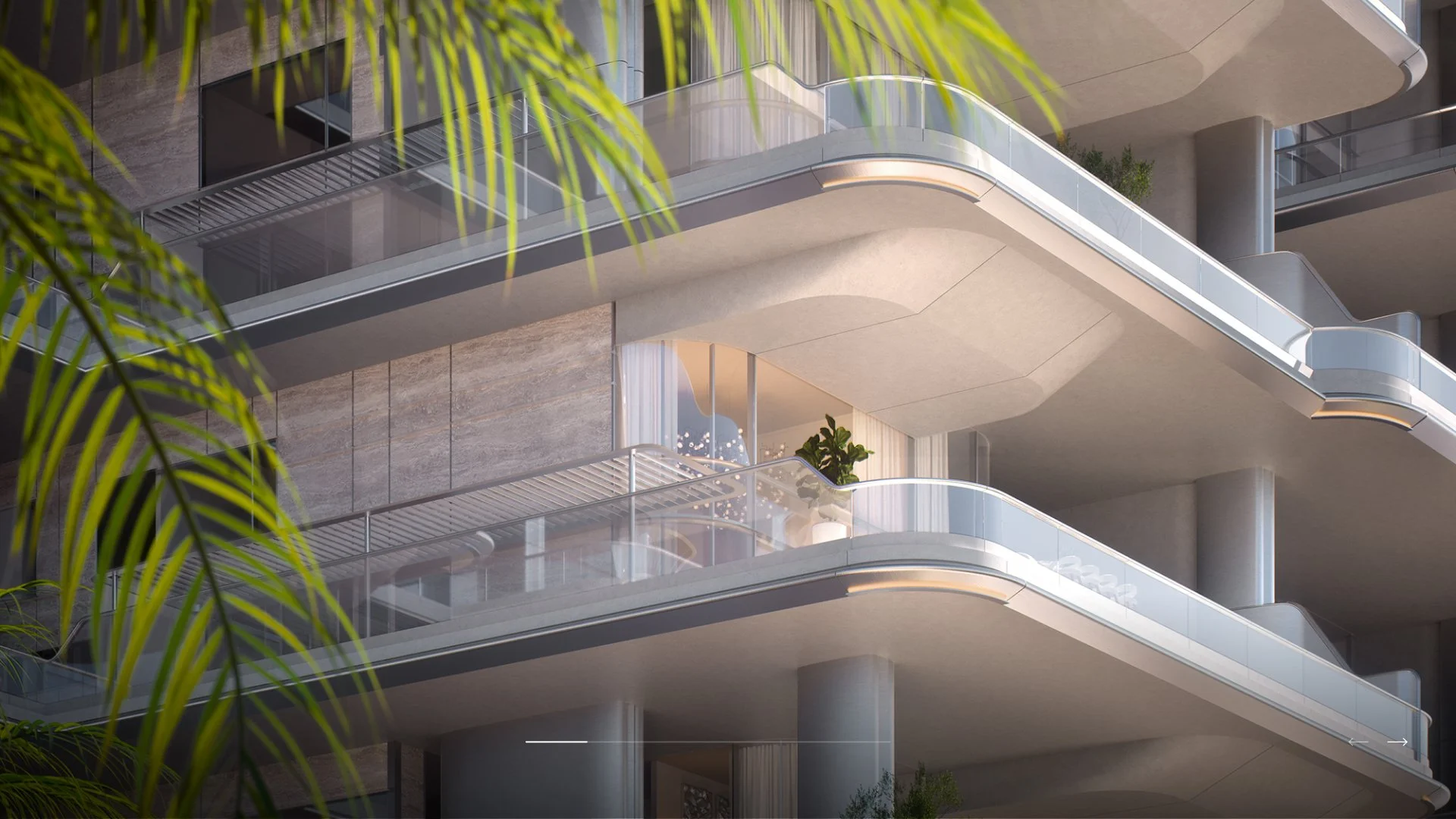
OMNIYAT imagines the extraordinary and builds it into reality. We aimed to craft a distinctive online presence that could captivate potential buyers with narratives that redefine the concept of luxury and truly make property dreams a reality across all touch points considering everything from mobile digital twins through to Vision Pro experiences.
